
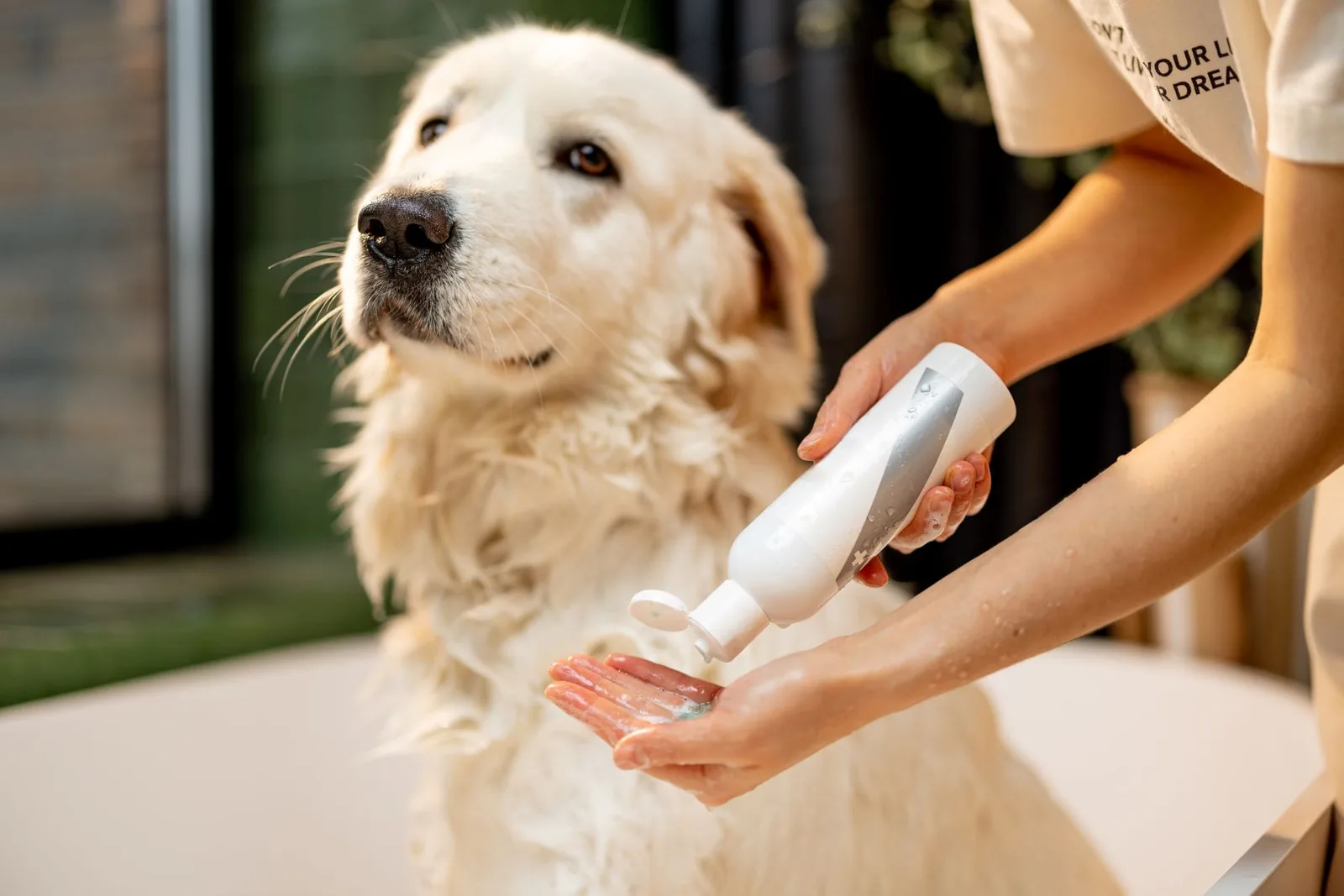
Grooming your pet is an essential part of being a responsible pet owner. Not only does it keep your furry friend looking sharp, but it also plays a critical role in their overall health and well-being.
While professional grooming services are available, at-home grooming can be a rewarding and cost-effective alternative. With the right tools and techniques, you can ensure that your dog remains clean, comfortable, and cared for within the comfort of your own home. In this article, we will take you through the basics of DIY pet care to help you ensure you keep your pet groomed and happy.
DIY Pet Care: Essential Grooming Tools to Invest In
Proper grooming is not just about keeping your pet looking good—it's also vital for their health and comfort. Having the right tools can make all the difference in maintaining an efficient grooming routine. Below are the essential grooming tools to get.
Brushes and Combs
For the health and appearance of your dog's coat, regular brushing is essential. Depending on your dog’s coat type, you'll need specific types of brushes and combs:
- Slicker brushes - great for removing tangles and mats in fur.
- Pin brushes - ideal for dogs with long, silky coats.
- Bristle brushes - best for dogs with short or wiry coats.
- De-shedding tools and undercoat rakes - help manage shedding by reaching down to the undercoat.
- Wide-toothed combs - useful for gently detangling.
- Fine-toothed combs - help remove any remaining loose hair after brushing.
Clippers and Scissors
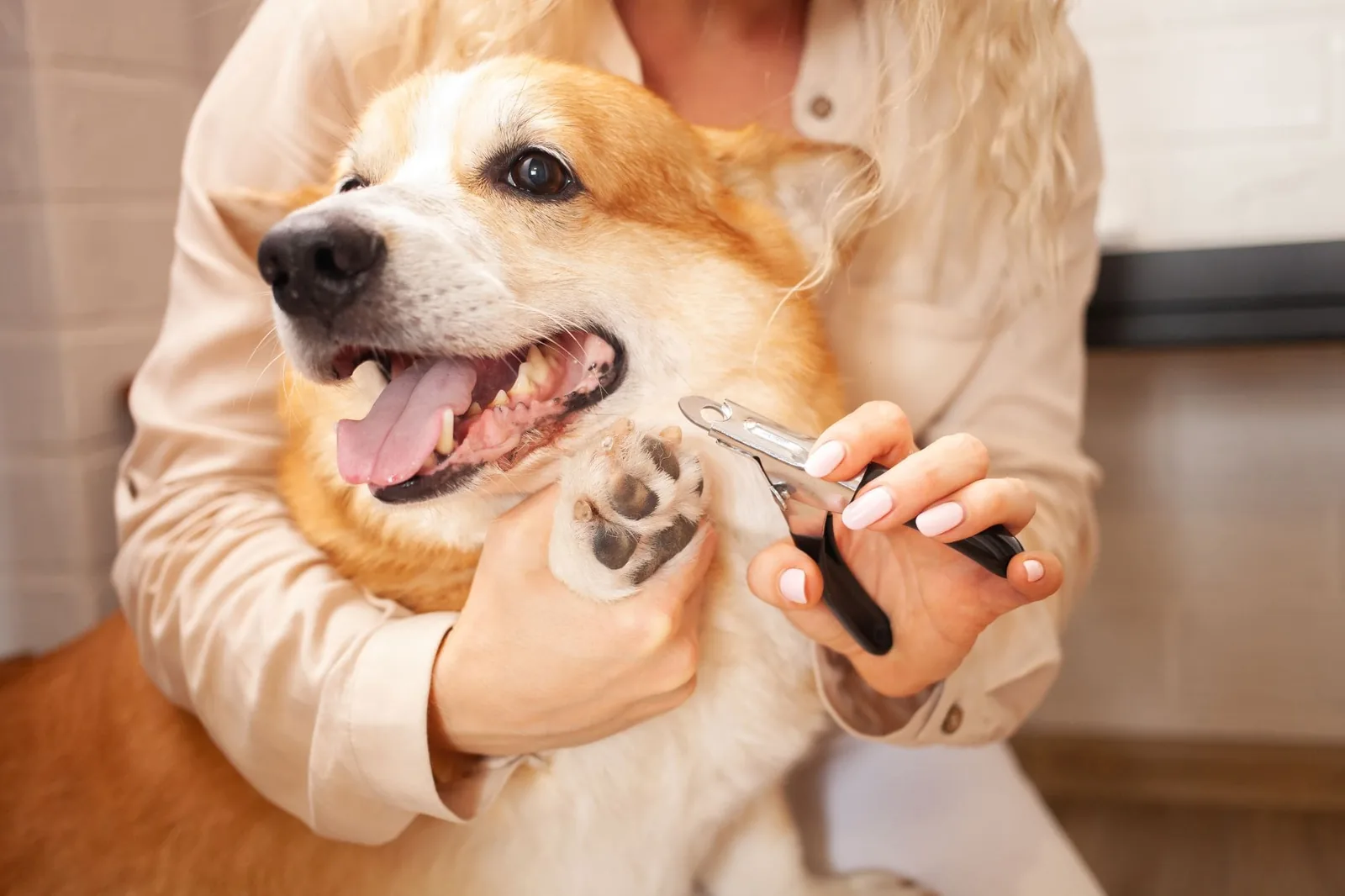
Trimming your dog's coat and nails ensures they stay comfortable and reduces the chance of injury from overgrown nails.
- Grooming clippers - necessary for at-home haircuts, especially if your dog has a thick coat.
- Scissors - allow for precise trimming around sensitive areas like the face and paws.
- Nail clippers - a must-have for nail trimming to keep nails at a healthy length. Always opt for a clipper size suited for your dog’s nails to avoid discomfort or injury.
Bathing Essentials
A soothing bath is often the foundation of a good grooming routine.
- Dog shampoo and conditioner - choose a formula that’s suitable for your dog’s skin and coat type.
- Towel - have a towel specifically for drying off your dog.
- Lukewarm water - ensure comfort and safety while washing.
- Bathing attachments - consider a dog-washing shower attachment for a more controlled and enjoyable bathing experience.
DIY Pet Care: How to Groom Your Pet
Grooming your pet involves more than just a quick brush; it's about maintaining their overall hygiene and health.
The first step is to ensure you have the necessary supplies like styptic powder, shampoo, and a toothbrush before you start.
Bathing Your Pet
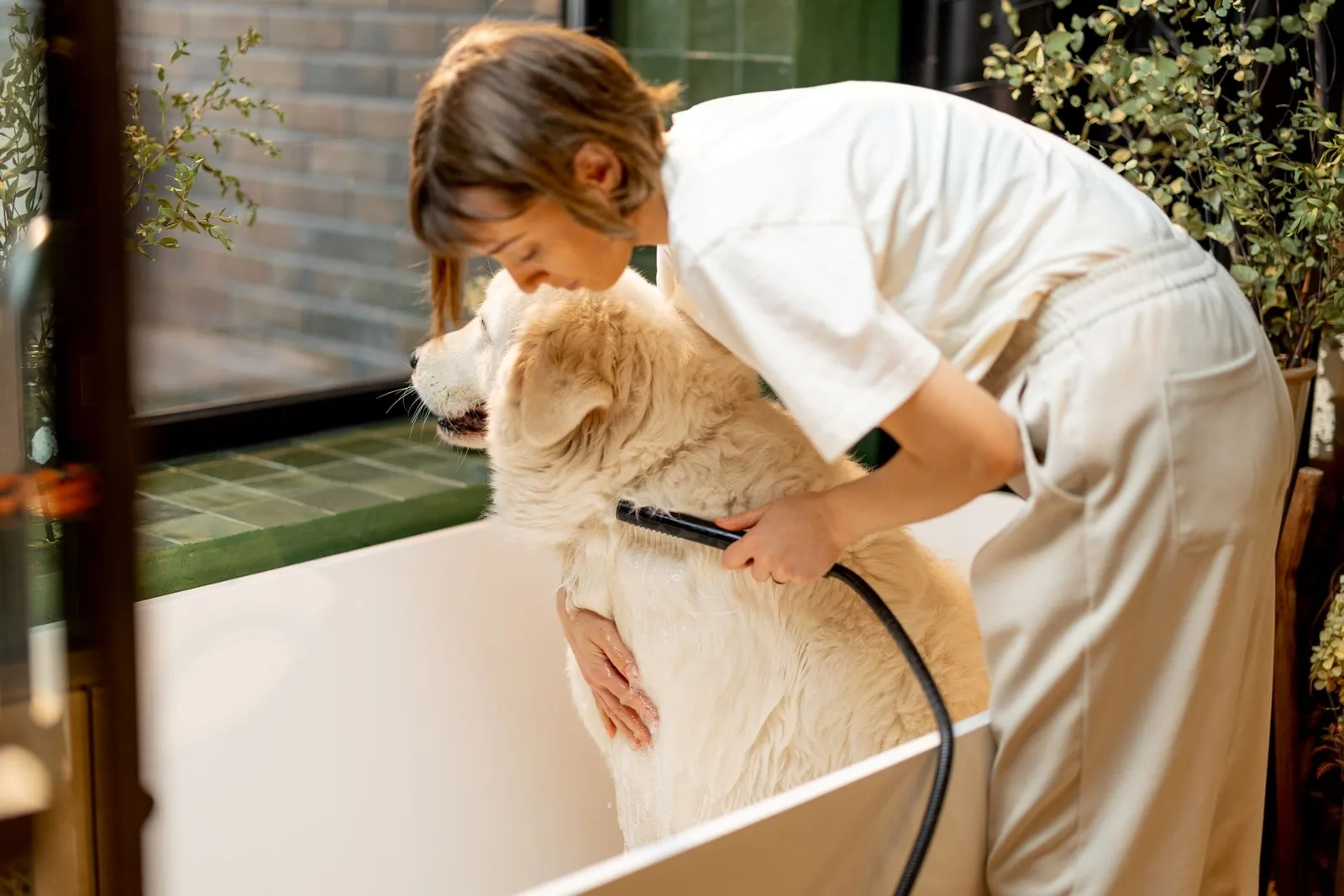
To begin bathing your pet, always use lukewarm water to prevent discomfort.
Start by wetting your pet's coat thoroughly before applying a dog shampoo designed for their specific skin and coat needs. Work up a lather, taking care not to get the suds in their eyes or ears, and rinse completely.
After the bath, a towel or blow dryer on a low setting can be useful for drying them off.
- Checklist for Bathing:
- Lukewarm water ready
- Dog-specific shampoo
- Towel or blow dryer on hand
- Ensure a comfortable environment
Hair and Nail Care
Regular brushing is crucial for reducing shedding and keeping your dog’s coat healthy.
Depending on their coat type, a slicker brush or grooming rake may be most effective.
When it comes to nail trims, use a nail grinder or clippers designed for dogs.
If you cut the quick, have styptic powder like Kwik Stop on hand to stop bleeding.
Remember to check the paw pads for any debris or signs of irritation.
Hair and Nail Care Tools:
- Hair - slicker brush, Grooming rake
- Nails - nail grinder, Clippers, Styptic powder
Eyes, Ears, and Dental Health
Clean your pet's eyes gently with a soft, damp cloth to remove any crust or debris.
For their ears, use a veterinarian-recommended ear-cleaning solution and follow the instructions carefully to avoid any irritation.
When it’s time for dental care, use a toothbrush and toothpaste designed for pets, and brush their teeth regularly to prevent tartar build-up.
Eyes, Ears, and Dental Health:
- Eyes - soft, damp cloth
- Ears - use an ear-cleaning solution
- Dental - toothbrush, Pet-formulated toothpaste

Grooming Your Dog by Breed and Size
Different breeds and sizes require distinct attention when it comes to grooming tasks, so it's important to tailor your approach to suit your dog's specific needs.
Grooming Needs for Different Coat Types
Short-haired breeds like Beagles or Boxers typically need less frequent brushing. However, it's still essential to keep their skin healthy.
Medium-coated dogs, such as the Siberian Husky, are more prone to shedding and may benefit from weekly brushing to reduce shedding.
For long-haired breeds like Shih Tzus, detangling and mat prevention are crucial, requiring more comprehensive grooming routines. Use a combination of brushes, combs, and detangling tools to prevent mats and tangles.
- Short Coat: Minimal brushing, focus on skin health
- Medium Coat: Weekly brushing to manage shedding
- Long Coat: Frequent grooming to prevent tangles
Customizing Your Approach
Adapt your grooming routine to the size and breed of your dog.
Smaller dogs might feel more comfortable on a grooming table, ensuring safety and ease during the process.
With larger breeds, you may need to groom in sections for better manageability.
Always verify that the tools you use are appropriate for your dog’s coat type; for instance, bristle brushes work well for short-haired breeds, while a slicker brush can be more effective for dogs with a thicker undercoat.
Small to Medium Dogs:
- Ensure comfort on a grooming table.
- Use fine-toothed combs for precision.
Large Dogs:
- Groom in sections for manageability.
- Employ tools designed for thick undercoats.
Advanced Grooming Techniques and Tips
When you're ready to take your DIY dog grooming to the next level, incorporating advanced techniques can elevate your pet's grooming routine. Remember, always handle your dog with consistent positive reinforcement—this builds trust and makes the experience enjoyable for both of you.
Shaving:
Invest in a professional-grade clipper for a smooth cutting experience. Begin with a clean and dry coat. Remember to use the right blade size to avoid skin irritation.
- Keep the skin taut to prevent nicks.
- Shave in the direction of hair growth for a more natural look.
Blow-dry:
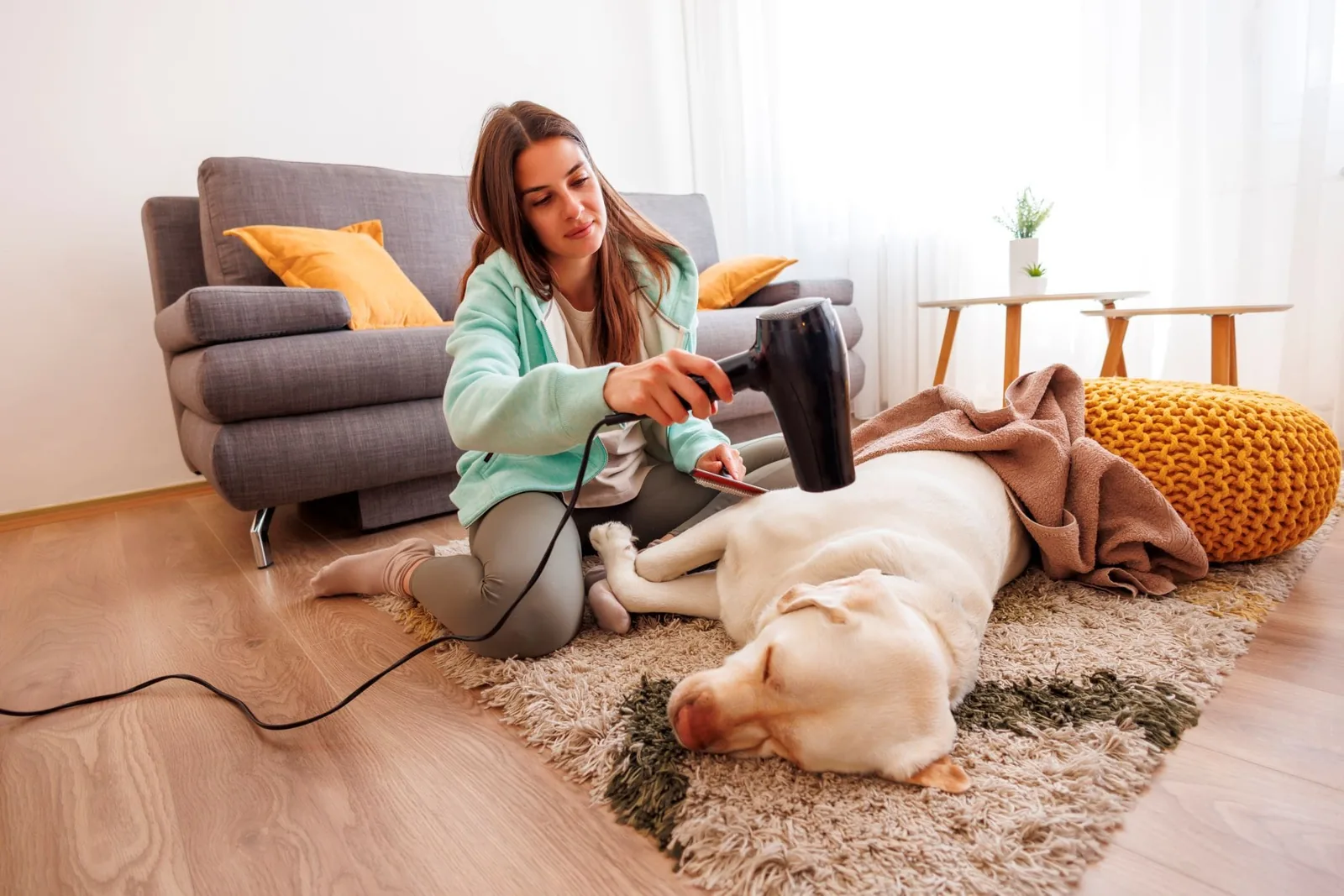
Use a pet-specific blow dryer to avoid excessive heat. Your dog’s skin can be sensitive to high temperatures.
- Start with a low heat setting.
- Dry from the back to the front and from the top down.
- Continuously move the blow-dryer to prevent heat concentration.
Tick Removal:
It’s common for pet owners to freak out when they find ticks on their pets. But, if this happens, take a deep breath and know that you can handle it. Here is how you can remove the tick:
- Get a pair of fine-tipped tweezers. These are great for picking ticks. Try to get close to the skin as much as possible.
- Then, pull the tick upward and ensure you hold steady but with even pressure.
Brushing:
Choosing the correct dog brush is critical. For most breeds, a slicker brush works well to detangle and remove loose fur.
- Brush in sections, working out tangles gently.
- Brush before bathing to minimize matting.
Maintaining a Healthy Dog:
Remember, regular grooming keeps your dog looking great and contributes to their overall health.
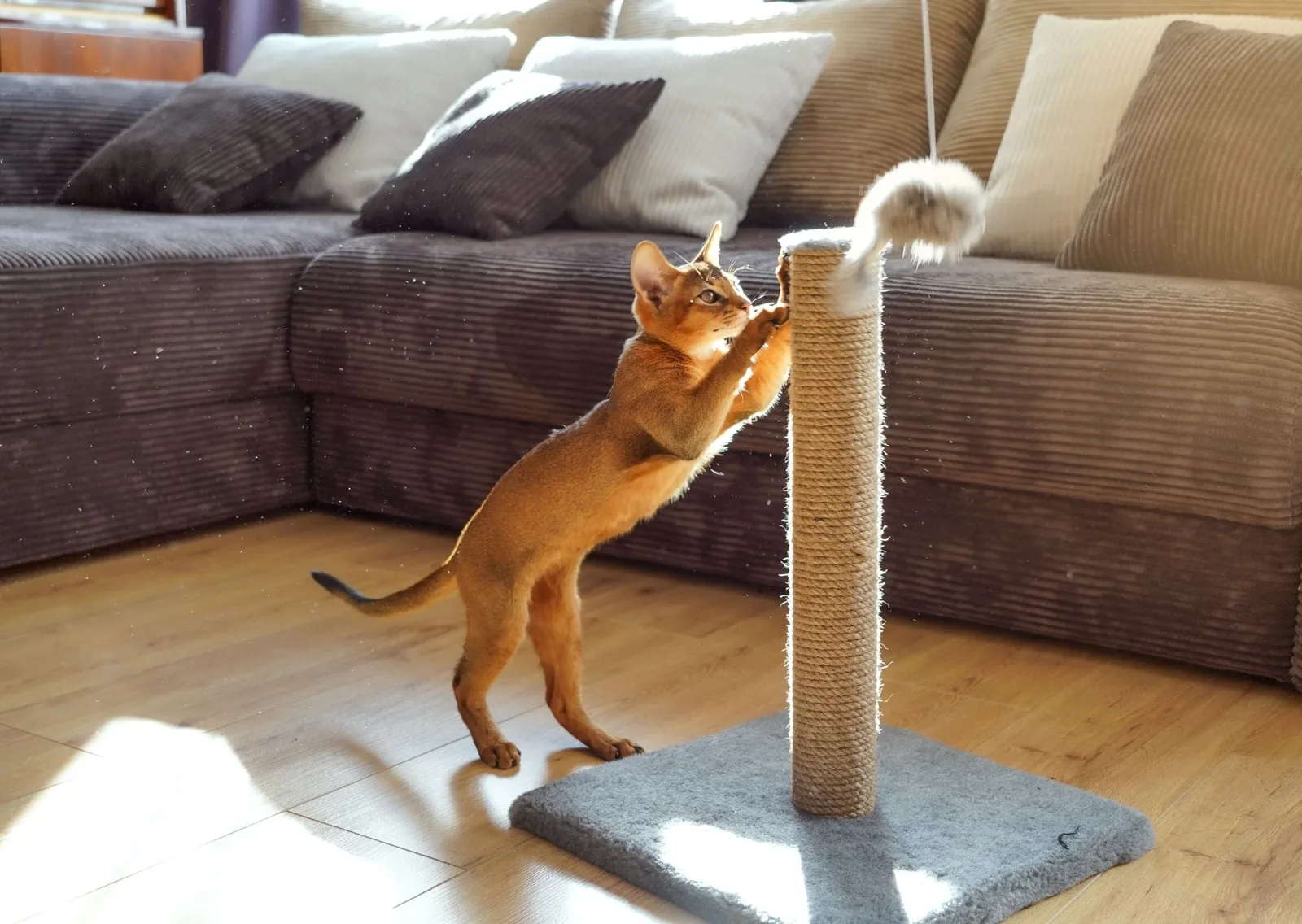
DIY Pet Care Tips for Grooming Your Cat
While cats are renowned for their self-grooming prowess, occasional assistance can enhance their well-being and appearance. Here are tips for grooming your cat at home.
Respect Their Nature
- Self-sufficiency - cats spend a significant portion of their day grooming themselves, effectively removing dirt and loose fur. Respect their natural instincts and avoid over-grooming, which can damage their delicate skin.
- Brushing benefits - for long-haired breeds or cats prone to matting, gentle brushing with a fine-toothed comb or slicker brush 2-3 times per week can prevent tangles and remove excess fur.
- Stress-free sessions - start with short, positive brushing sessions and gradually increase the duration as your cat becomes comfortable. Offer treats and praise to reinforce positive associations.
Address Your Cat’s Specific Needs
- Long-haired cats - regular brushing and occasional baths with a gentle cat shampoo may be necessary to prevent matting. Consult your veterinarian for specific bathing recommendations.
- Senior kitties - as cats age, their grooming abilities may decline. Offer assistance with gentle brushing, especially around areas they may struggle to reach.
- Skin and coat concerns - if you notice excessive scratching, hair loss, or skin irritation, consult your veterinarian to rule out underlying medical conditions.
Additional Tips for Feline Care
- Scratching post essentials - provide multiple scratching posts of different textures and heights to cater to your cat's preferences and encourage natural grooming behavior.
- Litter box maintenance - maintain a clean litter box to reduce excessive licking and potential skin issues caused by contact with soiled litter.
- Regular dental care - consult your veterinarian about introducing dental treats or brushing to maintain your cat's oral health.
DIY Pet Care Tips for Grooming Small Animals
While their stature may be small, the grooming needs of our furry, feathered, or scaled companions are just as important. In this section, we will get into specific considerations for various small animals, ensuring their comfort, health, and well-being.
Tailoring Grooming Needs to Different Species
- Rabbits - brush weekly with a soft bristle brush to remove loose fur and prevent hairballs. Trim nails regularly using clippers or a grinder specifically designed for small animals. Consult your veterinarian for guidance.
- Guinea pigs - provide a dust bath with appropriate materials for regular self-grooming. Check ears and feet for signs of mites or infections, and seek veterinary attention if needed.
- Hamsters - offer a sand bath for self-grooming and regular cage cleaning to maintain a hygienic environment.
- Gerbils - similar to hamsters, provide a sand bath and prioritize clean bedding. Clip nails as needed with appropriate tools and consult your veterinarian for guidance.
- Chinchillas - dust baths with volcanic ash are essential for their unique fur. Avoid touching their delicate fur directly, as it can cause matting.
Creating a Healthy Environment
- Cleanliness is key - regularly clean and disinfect your pet's enclosure to prevent bacterial growth and potential health issues.
- Diet matters - provide a balanced and species-specific diet to promote healthy skin and fur. Consult your veterinarian for nutritional guidance.
- Stress-free living - ensure your pet's environment is free from excessive noise, drafts, or potential predators to minimize stress, which can impact their grooming habits.
Additional Tips for Tiny Companions
- Regular checkups - schedule regular veterinary checkups to monitor your pet's overall health and discuss any grooming concerns you may have.
- Signs of trouble - be observant of changes in your pet's coat, skin, or behavior, as these can indicate underlying health issues requiring veterinary attention.
- Species-specific resources - research and utilize resources specific to your pet's species for detailed grooming guidelines and best practices.