

Time and again, as a pet owner you will be told why it's important to spay and neuter your pets. It’s a song your vet might repeat over and over, especially if you are a new pet owner.
While it is very healthy to spay or neuter your pet, the decision goes beyond mere health advantages. From curbing certain behaviors, like roaming in search of a mating partner and marking territory to reducing the overpopulation of pets in shelters and on the streets. In this article, we will help you understand why it’s important to spay and neuter your pet. We will also address some of the common myths and misconceptions that might prevent you from spaying and neutering your pets.
What Does Spaying and Neutering Mean?
These are surgical procedures performed to remove the reproductive organs in pets. Spaying also known as ovariohysterectomy, is the removal of a female animal's reproductive organs, i.e., removal of uterus and ovaries. This procedure eliminates the reproductive organs responsible for the production of eggs and the hormonal fluctuations associated with the estrous cycle.
Neutering, or orchiectomy in males, is the removal of the testicles. It makes the male incapable of producing sperm. This procedure not only curtails the ability to father offspring but also mitigates hormonal influences that can contribute to undesirable behaviors.
Both spaying and neutering surgeries are routine and conducted under general anesthesia. Veterinary professionals follow stringent protocols to ensure the safety and well-being of the animals. Incisions are made, and the necessary reproductive organs are carefully removed. Post-surgical care involves monitoring for any signs of complications and providing appropriate pain management.

Why It's Important to Spay and Neuter Your Pets
Spaying and neutering your pet goes beyond simply preventing unwanted litters. These procedures offer a multitude of health and behavioral advantages that can significantly improve your pet's overall well-being and lifespan.
The Health Benefits of Spaying and Neutering
Spaying and neutering your pets not only controls the pet population but significantly protects them against a variety of health issues, including certain cancers and infections. Here's how these procedures can directly benefit the health of your pets.
Reducing Cancer Risks
Females - spaying before the first heat cycle greatly reduces the risk of mammary cancer. Studies indicate that mammary tumors are malignant in about 45% of dogs and 90% of cats, which underscores the benefits of early spaying.
Males - neutering male pets removes the risk of testicular cancer entirely. In addition to this, it can also reduce the incidence of an enlarged prostate gland, and lower the chances of developing other prostate problems.
Preventing Common Health Issues
Elimination of reproductive system infections - Spaying eliminates the risk of pyometra, a serious and potentially fatal uterine infection that can occur in unspayed females. Neutering reduces the risk of prostatitis, a painful inflammation of the prostate gland in males.
Heat cycle-related issues - spaying eliminates the heat cycles in females, thereby reducing instinctual behaviors such as roaming, which can lead to fights and injuries. These injuries may warrant medical attention and could escalate into more serious conditions if not treated promptly.
Obesity - neutered pets are less likely to become overweight as a direct result of reduced roaming and other behaviors linked to the need to find a mate. A proper diet and exercise regimen can easily manage weight post-surgery.
Shelters and overpopulation - by preventing unwanted litters, spaying and neutering also indirectly benefit the health of pets by reducing competition for resources and space in shelters. This helps improve the overall care and living conditions for animals within the shelter system.
Behavioral Advantages and Social Responsibility
Spaying and neutering your pets not only mitigates unbecoming behaviors but also tackles the critical issue of pet overpopulation. As a responsible pet owner, understand how these procedures can lead to a calmer pet and a more balanced community.
Curbing Unwanted Behaviors
Spaying and neutering often lead to a reduction in certain troublesome behaviors. Notably:
- Spraying and marking territory - these are common among unaltered pets, especially males. Neutering can significantly lessen these actions.
- Aggression - sterilization can decrease aggression in male pets, leading to a safer environment for both the pet and its human companions.
- Roaming and fighting - the drive to find a mate can cause pets to roam, which increases their risk of injury. Spaying or neutering reduces the urge to roam and, as a result, fight.
- Heat cycles and vocalization - female pets in heat can become extremely vocal and display anxious behavior. Spaying eliminates heat cycles and the associated behaviors.
Addressing Pet Overpopulation
Spaying and neutering your pets directly impacts the fight against pet overpopulation:
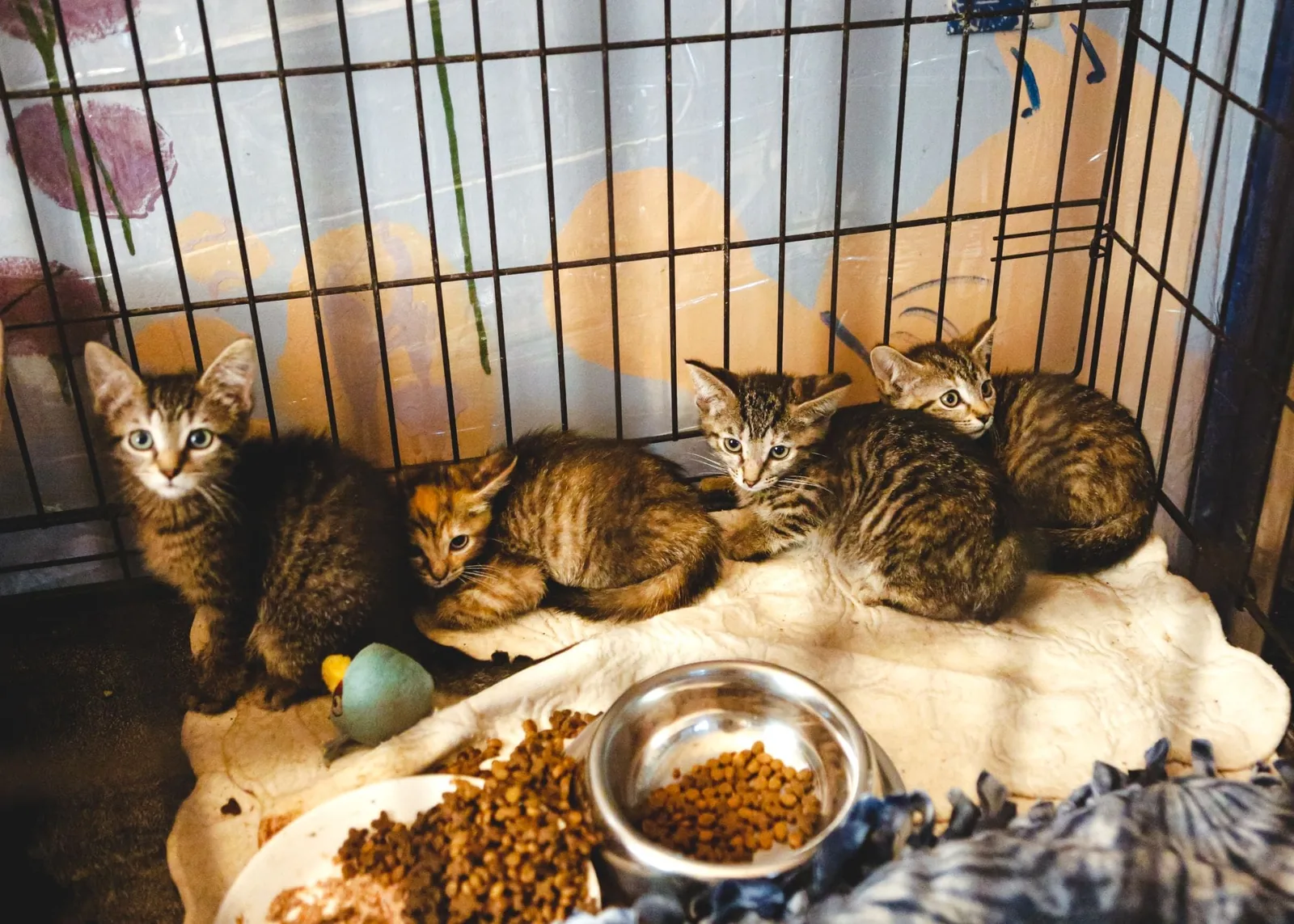
- Reduction in unwanted offspring - every year, millions of unwanted animals fill local shelters. Spaying and neutering prevent the birth of unplanned litter, thus reducing the number of homeless pets.
- Lower euthanasia rates - by reducing overpopulation, you help decrease the number of animals that are euthanized due to a lack of homes.
- Supporting local shelters - fewer unplanned litters allow shelters to allocate resources more effectively, improving the care they provide and increasing adoption rates.
Sterilizing your pets ensures you contribute to a solution that supports not just your own pet's well-being but also the health of your wider community.
Cost Considerations and Available Resources
Understanding the costs and resources available for spaying or neutering your pet is crucial for making an informed decision that benefits both your companion animal and your finances.
Spay/Neuter Procedures and Their Costs
Spaying (for female pets) and neutering (for male pets), collectively known as sterilization have varying costs. It will depend on several factors, including your location, the veterinarian you choose, and the size and breed of your pet.
- Average cost - $50 - $200 for cats and small to medium dogs, but can be higher for larger breeds.
- Inclusions - typically, the cost includes anesthesia, the surgical procedure, and possibly vaccinations if required by the clinic.
- Additional costs - in some cases, there may be extra fees for pain medication or additional services, such as treating benign prostatic hyperplasia in older male dogs.
Support and Assistance Programs
Fortunately, there are a variety of resources and programs that can help manage the costs of spay/neuter services.
- Low-cost services are offered by certain animal welfare organizations, local shelters, and clinics. Some may operate on an income basis, offering services at a reduced fee or even for free.
- Local shelter - contact your nearest shelter to inquire about spay/neuter programs they might provide. They often run specials or have partnerships with local veterinarians.
- Community cats - TNR (Trap-Neuter-Return) programs often exist for community cats to help control the stray population and reduce the number of animals euthanized each year.
This approach not only saves money in the long run by avoiding the cost of caring for litters but also mitigates health risks and the propensity for pets to roam, become aggressive, or bite. It dispels the myth that pets need to go through a first heat cycle before being sterilized. By taking advantage of available programs, you can alter your pet's life for the better without a significant financial burden.

Debunking Misconceptions and Myths about Spaying and Neutering
Understanding the costs and resources available for spaying or neutering your pet is crucial for making an informed decision that benefits both your companion animal and your finances.
- Weight gain - contrary to some beliefs, spaying or neutering does not directly cause weight gain. Any potential weight changes are typically a result of dietary factors and exercise levels.
- Behavioral changes - while neutering can reduce certain behaviors influenced by hormones, such as marking and roaming in males, it does not alter a pet's fundamental personality.
- Timing concerns - there is a misconception that pets should experience a heat cycle or reach a certain age before undergoing spaying or neutering. However, the procedures can be safely performed at the appropriate age recommended by veterinarians, usually before sexual maturity.
- Too expensive - while the initial cost of spaying and neutering may seem like a significant expense, it is crucial to consider the long-term financial benefits and potential cost savings. Spaying and neutering eliminates the costs associated with caring for unwanted litters, including food, veterinary care, and the potential spaying/neutering of offspring. Additionally, these procedures can potentially reduce future veterinary expenses by mitigating the risks of certain health problems that require medical intervention. Many animal shelters and rescue organizations offer low-cost or subsidized spaying and neutering programs, making these procedures accessible to pet owners facing financial constraints.