

Travel insurance is an important consideration for any trip, designed to offer you financial protection against the many unforeseen events that can occur both before and during travel. With the right travel insurance policy, you can safeguard your investment against situations like trip cancellations, medical emergencies, baggage loss, and significant travel delays. The peace of mind it provides allows you to focus on the excitement of your journey, secure in the knowledge that you have a safety net in place.
Understanding the coverage options is crucial to selecting a plan that best fits your needs. Policies differ widely and can be customized to cover specific risks associated with your destination, the nature of your trip, and your personal circumstances. For instance, some plans may include provisions for adventure sports, while others might offer higher levels of medical expense coverage.
Selecting the best travel insurance involves comparing various plans and providers to find a balance between comprehensive coverage and affordability. In this article, we will take you through travel insurance essentials you need to know as you plan your trip.
Get inspiration for your net destination here!
6 Island Destinations in the Indian Ocean for Your Bucket List
10 Pet Friendly Destinations: Where to Go with Your Furry Friend

Travel Insurance Essentials to Know
Like any other insurance policy, travel insurance coverage acts as a risk management tool to insure you against certain losses. It is designed to protect you against financial losses while you travel, from minor inconveniences to major emergencies. The right plan depends on the scope of coverage you need and the nature of your trip.
Types of Travel Insurance
When exploring travel insurance, you'll find a range of different types with varying levels of protection:
- Trip cancellation/interruption Coverage: this safeguards your investment if your trip is canceled or cut short due to unforeseen events.
- Medical coverage: as a crucial component, travel medical insurance offers protection against potential medical emergencies abroad.
- Baggage insurance: covers loss, damage, or theft of your luggage and personal items.
Selecting a comprehensive plan typically gives you a combination of these coverages.
How to Choose the Right Policy
Your selection of a travel insurance policy should be based on a careful comparison of several key factors:
- Coverage needs: ascertain whether your priority is medical worries, trip cancellations, lost items, or a mix of these.
- Policy cost: look for a policy that falls between 4% to 10% of your total trip cost, balancing cost with coverage.
- Insurance comparison sites: utilize insurance comparison sites to analyze benefits across different plans.
- Customer reviews: look for customer feedback to gauge satisfaction with service and claims processing.
- Methodology: review the methodology of how insurance providers handle claims and customer assistance.
Choose an insurance provider reputed to be among the best in terms of coverage options, cost efficiency, and customer service.

Coverage Options and Benefits
When selecting travel insurance, understanding your coverage options and the benefits provided is crucial for ensuring comprehensive protection for your journey.
Standard Coverage Inclusions
- Trip cancellation - you're typically covered for non-refundable trip expenses if you must cancel for a covered reason—such as illness or severe weather.
- Trip interruption - if you need to cut your trip short due to unforeseen events, trip interruption insurance can reimburse you for lost trip expenses and additional costs to return home.
- Trip delay - delays can lead to unexpected hotel stays and meals; travel insurance may cover these additional expenses.
- Medical - covers medical expenses if you fall ill or get injured while traveling.
- Emergency evacuation - if you require emergency evacuation due to medical reasons or natural disasters, this coverage is vital.
- Baggage - reimbursement for lost, stolen, or damaged luggage.
Additional Coverage Options to Consider
- Cancel For Any Reason (CFAR) - provides the freedom to cancel your trip for any reason not covered under standard cancellation policies, often refunding a significant percentage of your trip cost.
- Medical evacuation coverage - separate from standard medical, it specifically covers the costs of transportation to a medical facility.
- Pre-existing conditions - additional coverage can be obtained for medical issues known before purchasing the policy.
Limitations and Exclusions
- Exclusions - policies often exclude high-risk activities, natural disasters known before departure, and losses due to mental health disorders or pre-existing conditions, unless additional coverage is purchased.
- Limitations - coverage limits are essential to know as they define the maximum benefit payable for covered risks.
Policy Comparison and Purchase
Making an informed decision about travel insurance requires a thorough comparison of policies and an understanding of where to purchase the coverage that suits your needs. You'll need to focus on the details of each policy and consider factors like coverage options and customer reviews.
How to Compare Policies
- Gather quotes: start by obtaining quotes from several reputable insurance providers. Use an insurance comparison site to streamline this process, allowing you to view multiple quotes side by side.
- Check coverage levels: examine the coverage details carefully. Each policy will have varying levels of protection for scenarios such as trip cancellations, medical emergencies, and lost luggage. Confirm that the coverage limits are adequate for your trip.
- Customize your policy: look for options to customize your insurance. Some companies offer add-ons like extreme sports coverage or rental car protection. Tailor the insurance to match the specific risks of your travel.
- Read customer reviews: pay attention to customer reviews to gain insight into the provider's customer service and claims process. Positive reviews can signal a reliable company.
- Assess insurance benefits: beyond basic coverage, some policies may offer additional benefits such as 24-hour assistance or concierge services. Weigh these perks against the cost.
Where to Buy Travel Insurance
When purchasing travel insurance, remember that the cheapest option isn't always the best. It's essential to strike a balance between cost and adequate coverage. Check the policy terms thoroughly before deciding to ensure you're well-protected on your travels.
- Insurance providers' websites - visit the websites of well-known insurance providers to purchase directly. This might offer the most up-to-date policy information and the option for live support.
- Licensed insurance agents - you can opt to buy travel insurance through a licensed agent. They can offer personalized advice and help you compare policies based on your specifics.
- Travel agencies - some travel agencies offer travel insurance as an add-on when you book your trip. This can be convenient, but ensure that the policy's coverage meets your needs before purchasing.
- Comparison platforms - utilize comparison platforms to view a wider array of options from multiple companies. Platforms like InsureMyTrip connect you with different providers, allowing for easy policy comparison.
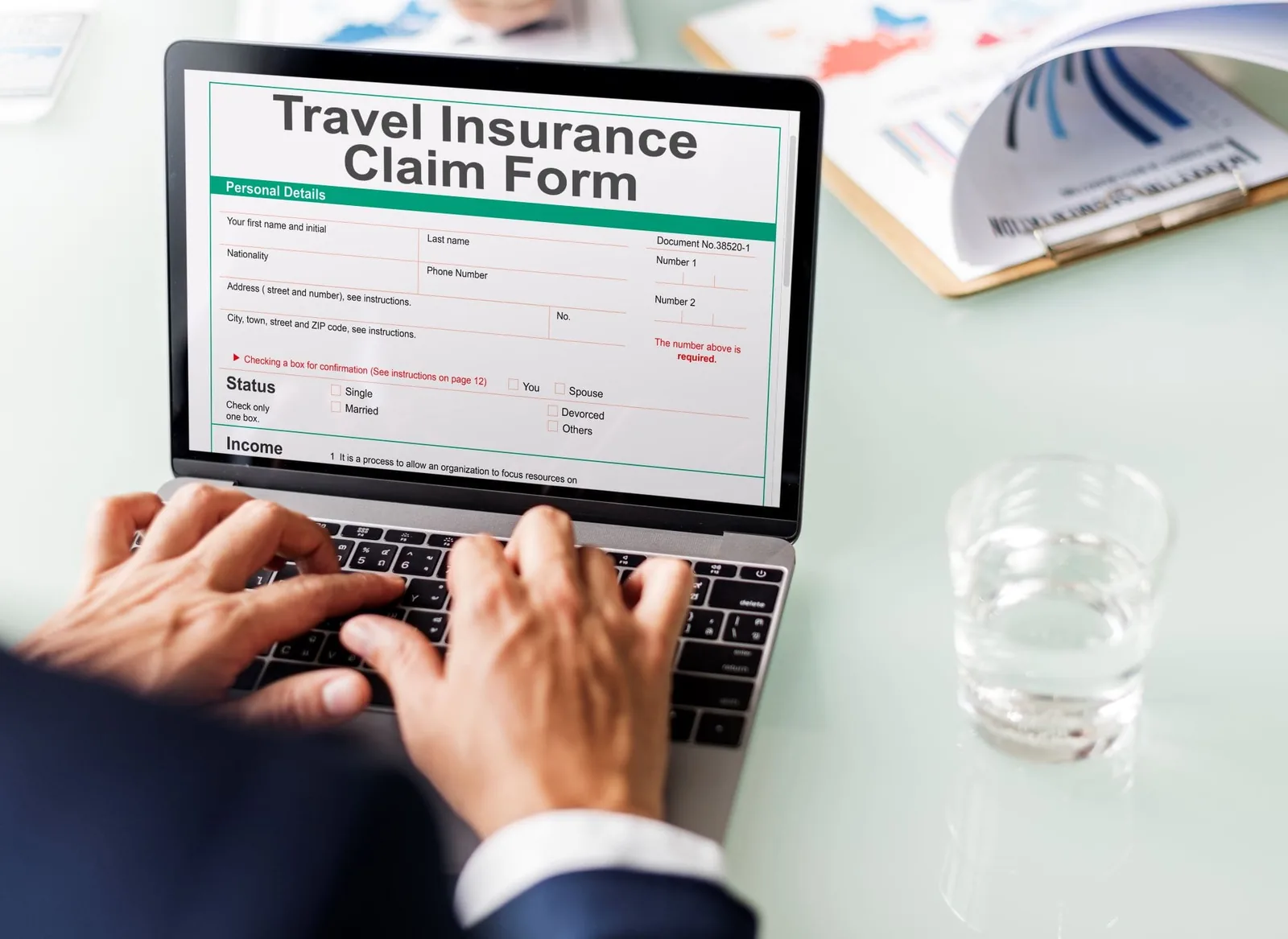
Claims and Reimbursement
When you face travel inconveniences, like trip cancellation or interruption, the claims and reimbursement process is crucial for recouping your losses. It is essential to understand the steps for filing a claim with the insurer and how the reimbursement process works to ensure timely and accurate compensation for covered expenses such as medical costs, lost luggage, or delayed travel.
Filing a Claim
To begin filing a claim, you'll need to compile necessary documentation such as travel receipts, medical records, or proof of lost luggage. Follow these steps:
- Notify your insurer as soon as an incident occurs. Timeliness is critical.
- Gather documentation to support your claim, including:
- Proof of travel arrangements and any cancellations
- Medical reports if claiming for medical costs
- Police reports for lost or stolen belongings
- Communication with airlines regarding missed connections or luggage issues
- Complete the claim form provided by your insurance company. Include specific details of the incident and the expenses you're claiming.
Some insurers require a minimum delay time before a claim for trip delay is considered valid; this period can range from a few hours to a full day.
Reimbursement Process
The reimbursement process begins once your claim is submitted and can vary based on the insurer's policies. Here's a brief overview:
- Review by the insurance company - they will assess your claim to ensure it falls within your policy's coverages.
- Decision - you'll receive a determination on your claim; this isn’t always a guarantee for full reimbursement.
- Payout - if approved, you'll receive compensation for relevant expenses, like medical costs. This can be through check or electronic transfer.
For expenses like trip cancellations or delayed luggage, ensure your policy specifics match your claims; only certain triggers will be considered valid for reimbursement. Keep communication lines open with your provider and act within their suggested time frames for a smoother process.