
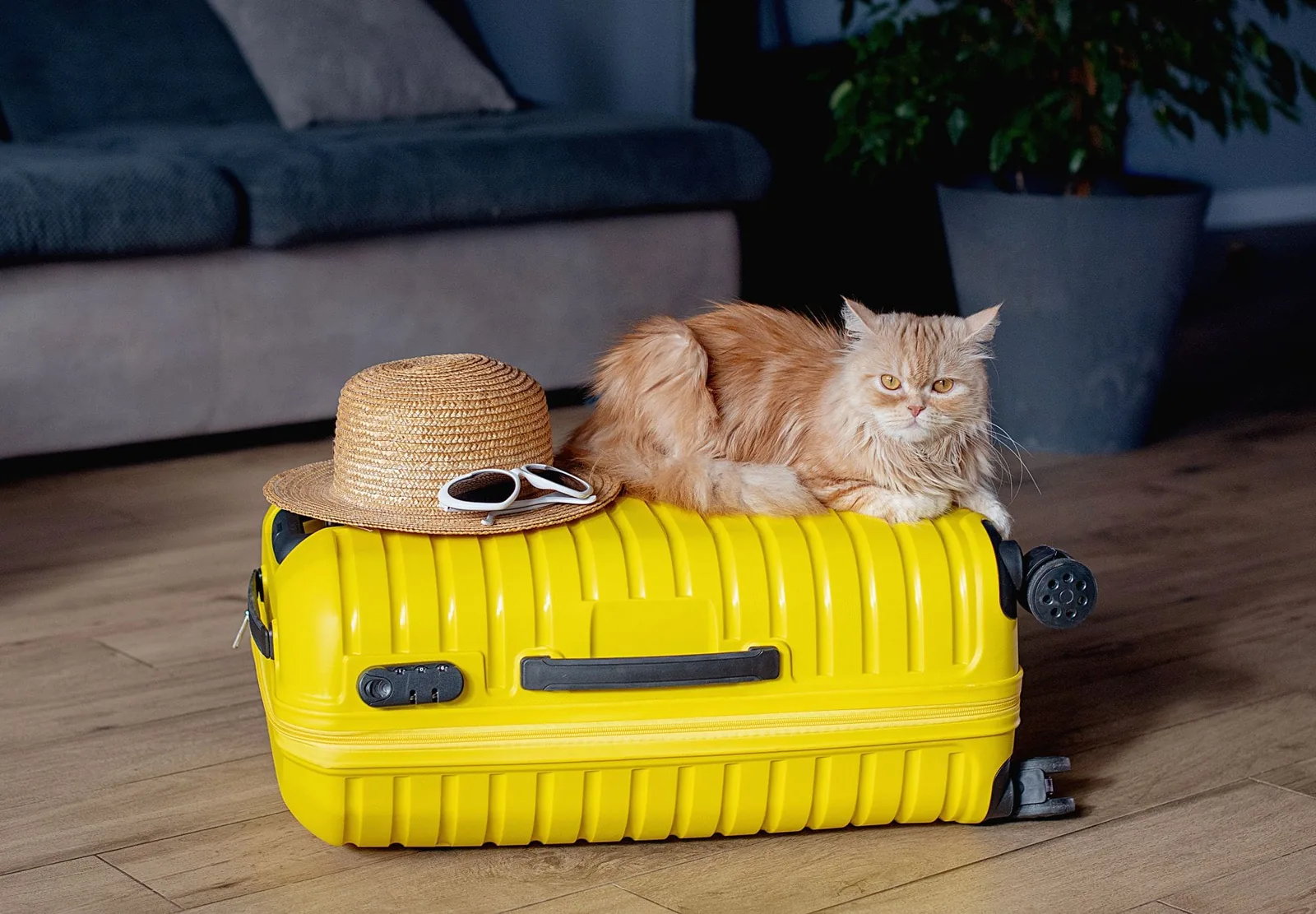
What to Do When Traveling With Pets
Whether you're planning a road trip, flying to a new destination, or embarking on a camping adventure, this comprehensive guide will help you prepare and ensure a safe and comfortable journey for both you and your beloved pet. Some of these key items might take weeks or even months. So, start early and avoid last-minute rush and possible disappointments. Okay? Now, let’s talk about the key things to do when traveling with dogs.Research Your Destination
The first thing to do before setting off on your trip is to research your destination. You want to know everything there is to know about the country, city, or small town. Is the place pet-friendly? What are the local pet regulations or restrictions, such as laws about keeping your pet on a leash and vaccination requirements?Looking for travel destinations? Here are 10 Pet Friendly Destinations
If you are traveling from the US, the Department of Agriculture is an excellent place to research the requirements of traveling with pets to other foreign countries. In Kenya, the Ministry of Agriculture has also provided a list of requirements for traveling with cats and dogs into the country. While there are always surprises, you want to be prepared as much as possible. Speaking of vaccination, you should also research the requirements when traveling back to your country. Are there locations considered high risk for diseases like rabies that may make reentry with your dog hectic? How can you prepare your dog for the return trip to ensure they are allowed reentry? For instance, in the US, the CDC currently has a temporary suspension of dogs entering the country from high-risk regions for dog rabies. Understanding such regulations in advance will help you plan better for your trip.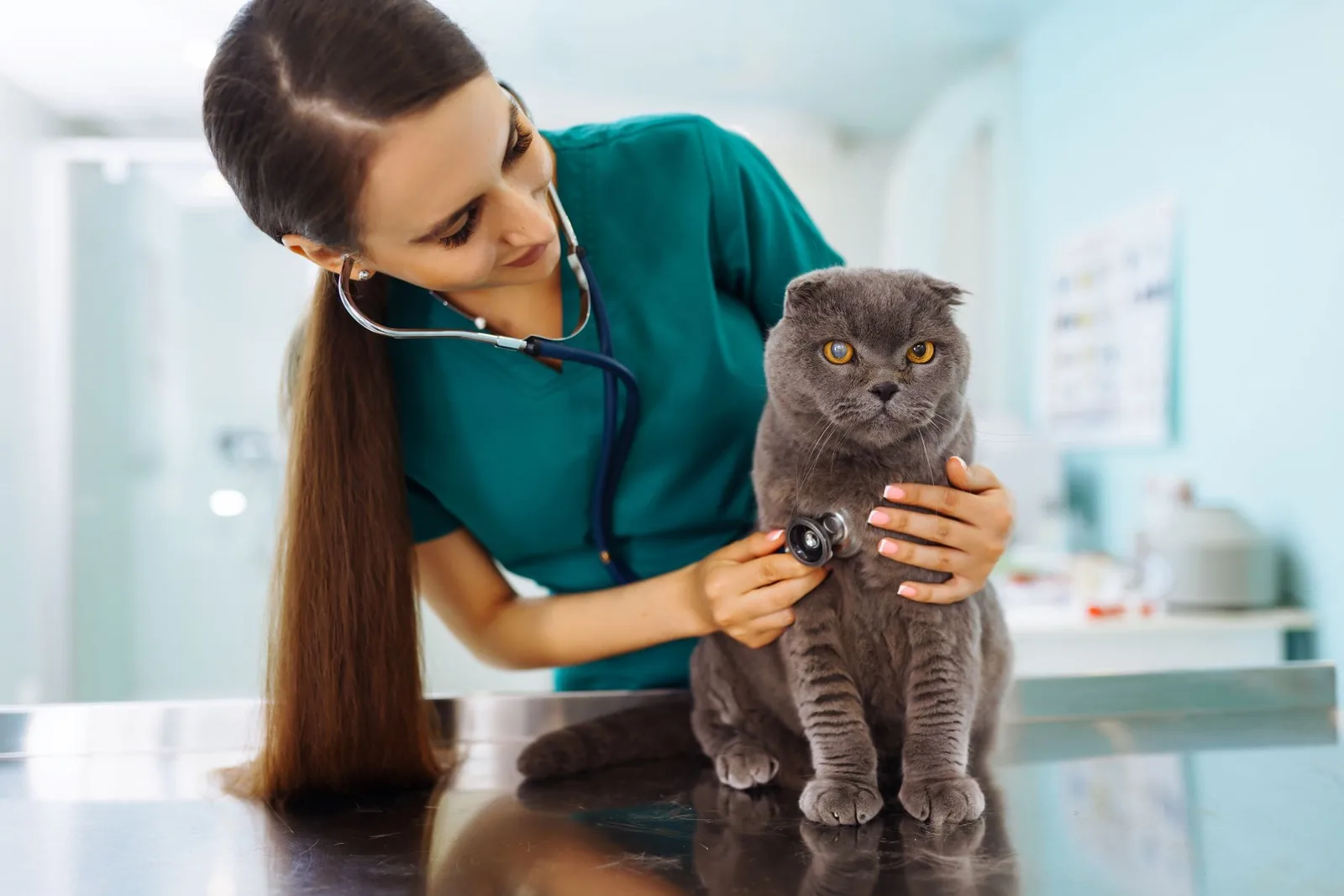
Visit the Veterinarian
Despite how healthy your pet looks or is, you must pay your vet a visit before traveling. The first task on the list is to ensure your pet is up to date on vaccinations. Next, get a health certificate or travel documents. Some destinations or travel modes, like flights, require this documentation. In addition to this, discuss your travel plans with your vet and consider getting preventive treatments for fleas, ticks, and heartworms.Consider Microchipping
A microchip gives you an added layer of security when traveling with pets. You don’t want to be in a situation where you lose sight of them in a new environment and have no way of tracking them. Besides giving you peace of mind, some countries actually do have it as a requirement when traveling with pets. Luckily, this is a quick procedure that shouldn’t take you long at the vet. The microchip is connected to your information. That way, if your pet is found and taken to a vet or even an animal shelter, they can scan the microchip and get your contact information. Your pet will also receive a tag that indicates they have a microchip. This tag will also include your contact information. This makes it easier for anyone without a microchip scanner to contact you if they find your pet.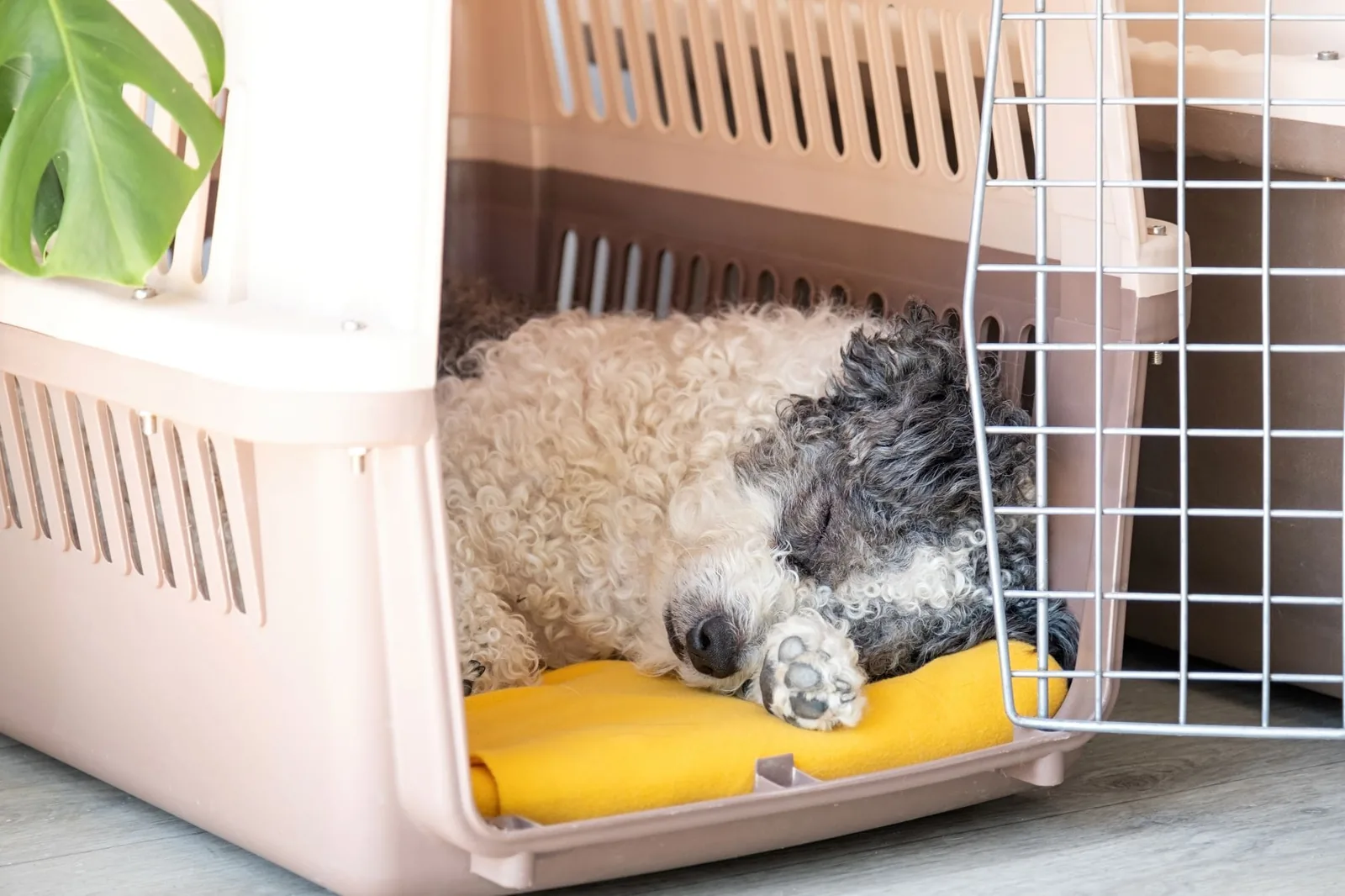
Choose the Right Pet Carrier or Crate
If you're flying, invest in an airline-approved pet carrier or crate that meets your pet's size and safety requirements. Make sure it's well-ventilated, secure, and comfortable. But if you are taking a road trip in your car, your thought is to probably have them on your vehicle's back or front seat. Then, roll up your windows and let them enjoy the feel of the wind blowing up their faces. There are instances where people even let their cats lie on the dashboard. Fun as it seems, it’s important to ensure your pet's safety. Accidents happen. And in such scenarios, you want to protect them as much as possible. That’s where harnesses and pet seatbelts come in handy.Pack Essential Pet Supplies
What to pack for your pet will depend on a number of things. From the destination to the duration of your travel. Just like you would do for your own trip, create a checklist of essential pet supplies to pack. These include:- Food and water bowls
- Enough pet food for the duration of the trip (plus extra in case of delays and other inconveniences)
- Leash, collar, and identification tags
- Poop bags or a portable litter box for cats
- Medications and a first-aid kit
- Grooming supplies
- Favorite toys and bedding for comfort
- Health and vaccination records
- Your pet's regular medications
- Travel-specific items like a pet seat cover for cars
- Treats - and lots of treats for rewarding good behavior, providing them extra comfort, and, of course, keeping them extra happy
Practice Traveling at Home
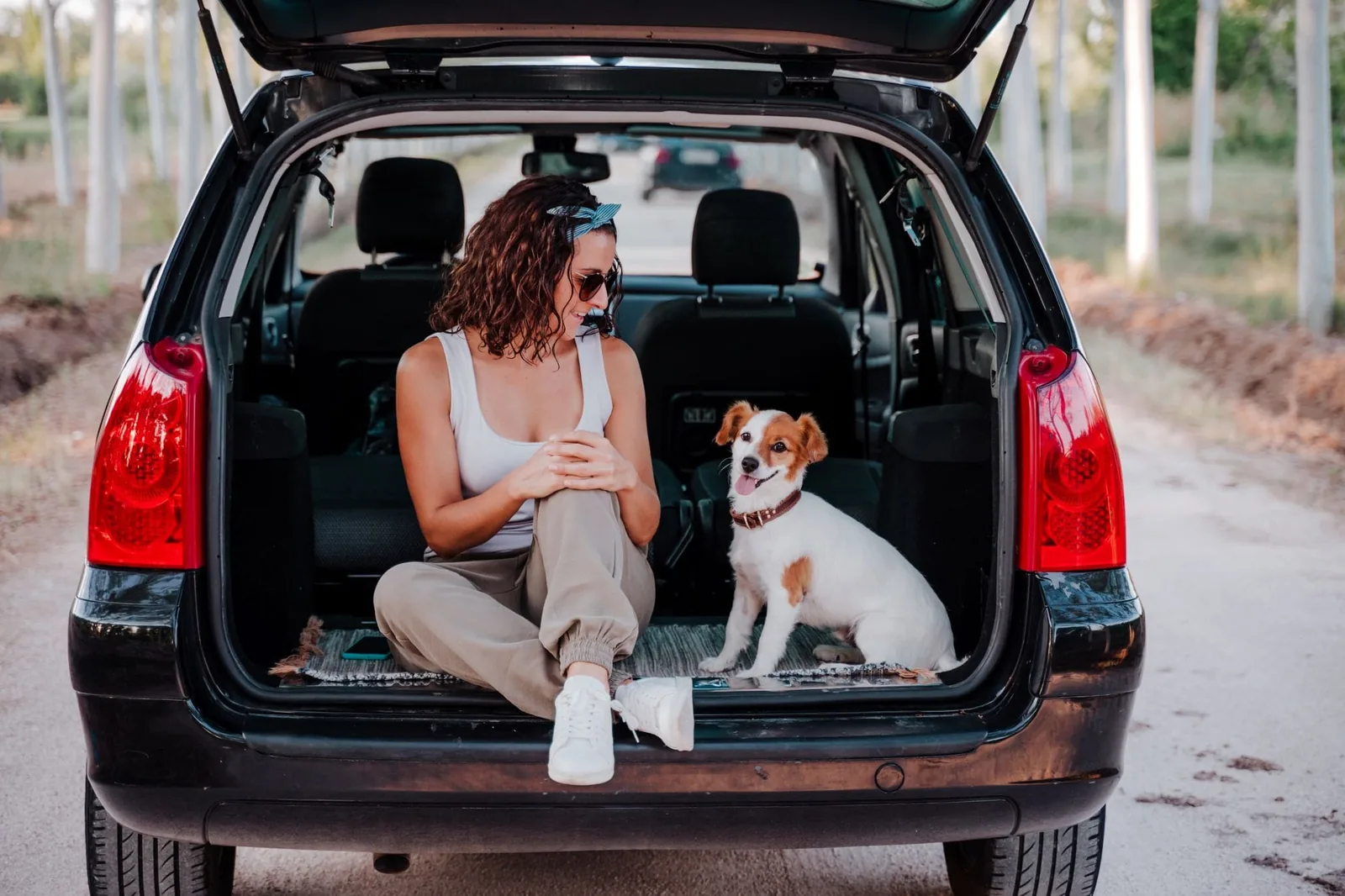
Practice makes perfect. And when it comes to traveling with pets, it’s an essential part of preparing for a stress-free trip. As someone who has taken a road trip with dogs, it helps to really prepare in advance. I had not really taken the time to get my dogs used to longer car rides. We had done a few car rides to the vet and the beach, but these were short distances and not that often. While they soon got used to the 12-hour journey, the first hour of the trip was a little uncomfortable for them. Because of this, I’d recommend acclimating your pet to the experience before your trip, especially if your pet is new to traveling. Start with short car rides or visits to pet-friendly places to help them get used to the motion and environment. Then, gradually increase the duration of these trips to build their confidence. If your pet will be traveling in a carrier bag or cage, have some practice sessions, too. It’s important that they get used to sitting, lying, and even standing on the carrier or cage for extended periods. This exercise will also help you ensure that your pet is in a comfortable carrier or cage where they can stand and move about comfortably.Plan Rest Stops
For long trips, plan regular rest stops to give your pet a chance to stretch their legs, have a bathroom break, and stay hydrated. Be sure to use a leash or harness during rest stops to keep your pet secure.Keep Your Pet Comfortable
Besides ensuring the carrier or cage is comfy enough, you must also ensure your pet feels like they are home and close to you during travel. For starters, provide them with familiar bedding and toys to reduce anxiety. Second, keep the temperature in mind. Extreme heat or cold can be harmful to pets. Most importantly, never leave your pet unattended in a parked vehicle, as temperatures can rise dangerously.